16 years before Sojourner Truth's “Ain’t I a Woman” speech
22 years before the Dred Scott decision
30 years before slavery would be abolished
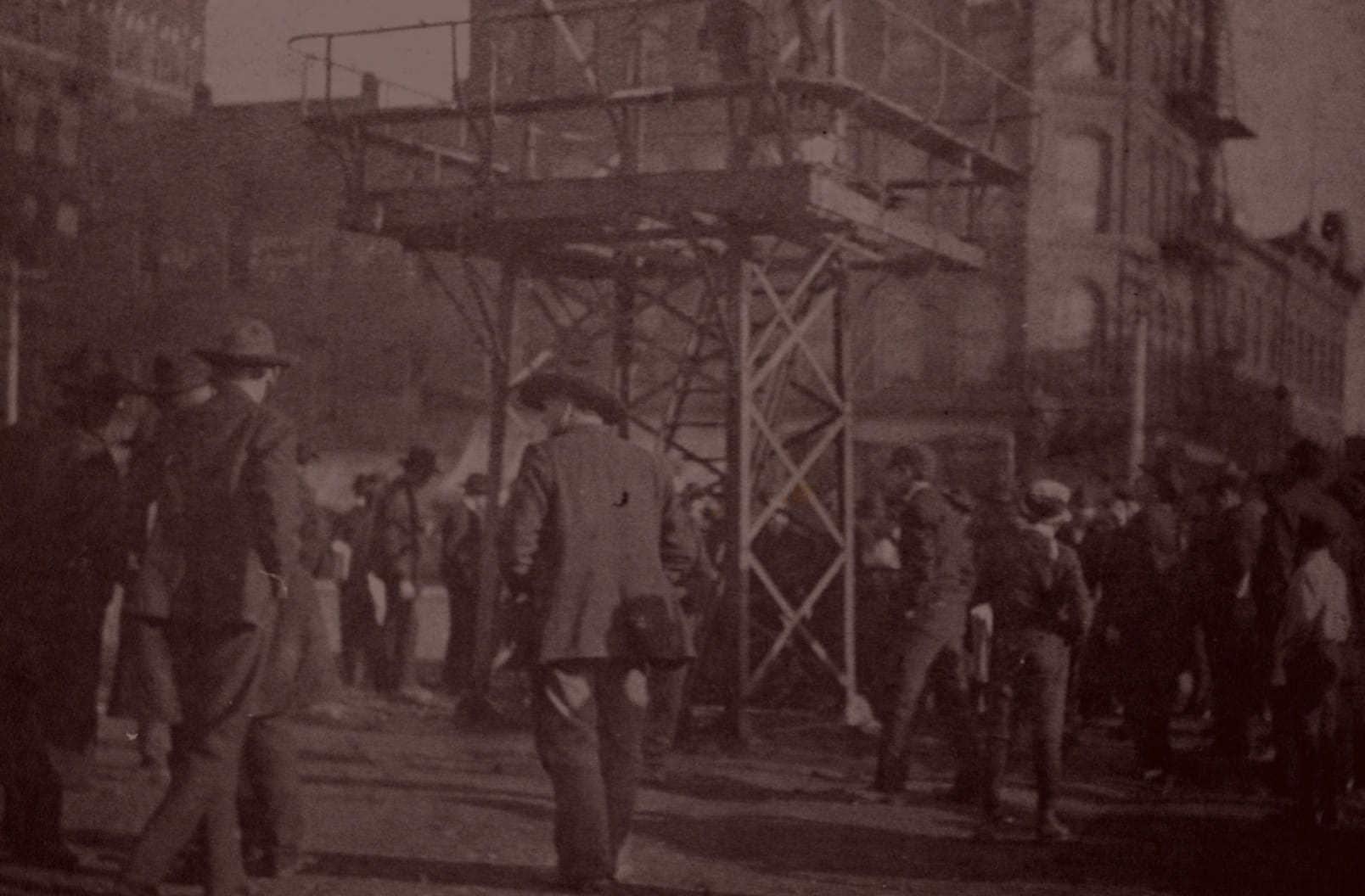
71 years before the 1906 lynching of Horace. B. Duncan,
Fred Coker, and William Allen on the Springfield, MO square
85 years before women would have the right to vote
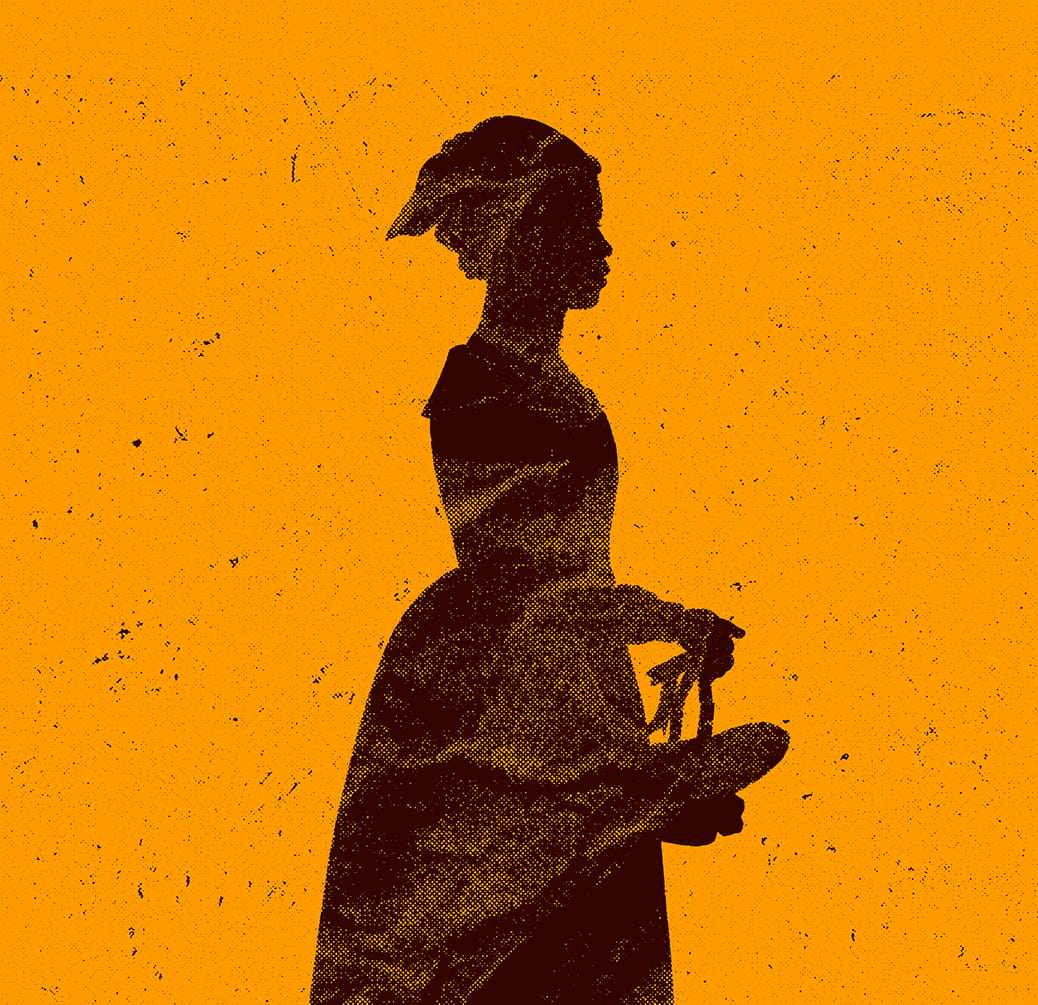
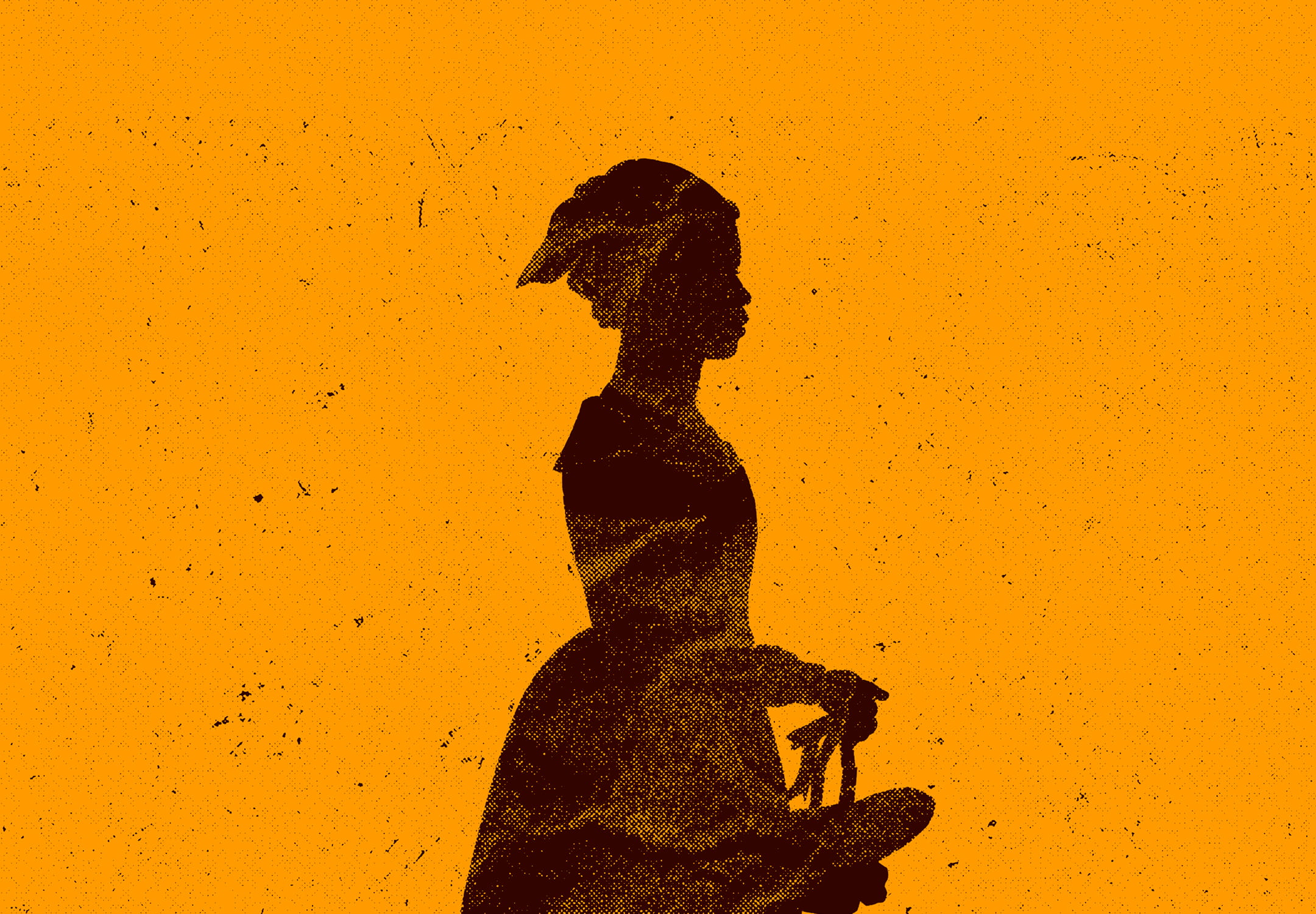
Milly Sawyers sued for and won her freedom in a log cabin courthouse in Springfield, Missouri.


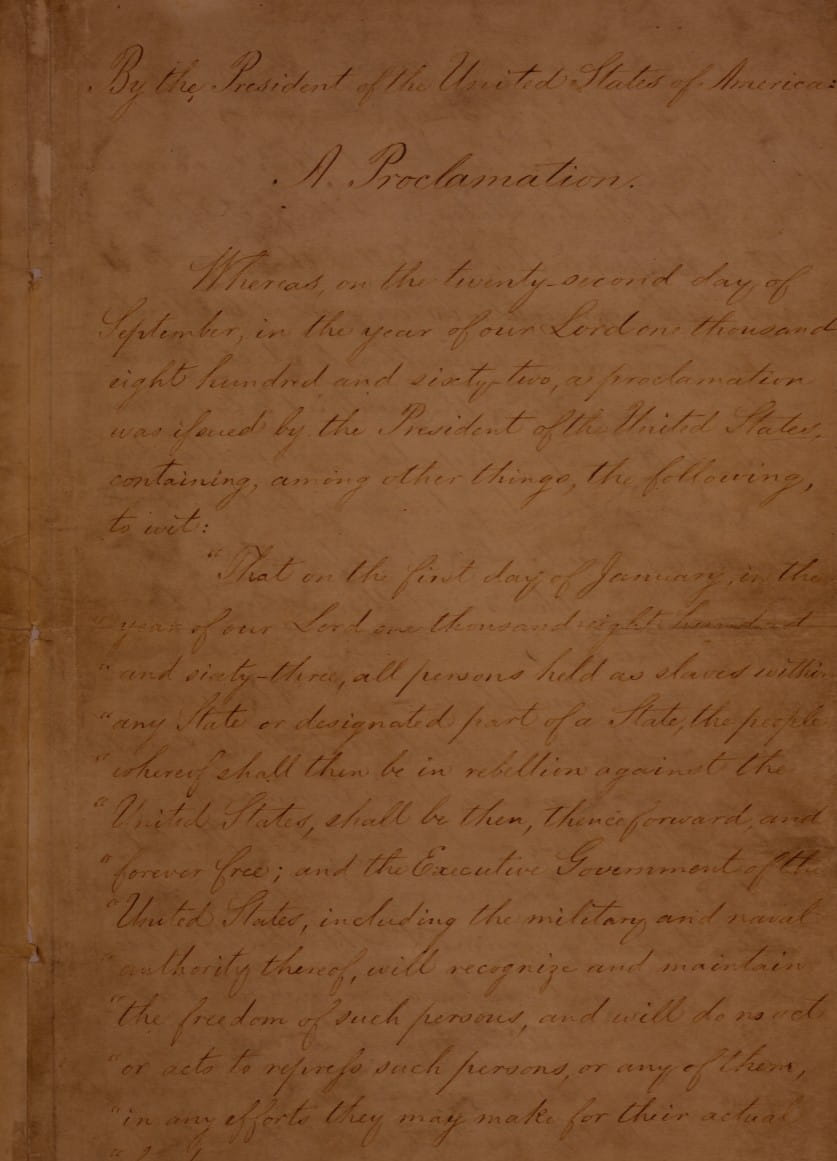


Preserved in faded dark brown ink on yellowed court documents, Milly’s story unfolds to tell the tale of a woman of remarkable courage, perseverance, and unwavering conviction.
Several years before Springfield was incorporated as a city, Milly Sawyers walked the streets of the newly settled town in 1834 and laid claim to her inherent right to live as a free person.
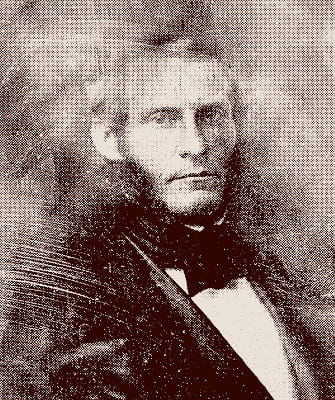
Fig. 1
John Polk Campbell, Founder of Springfield
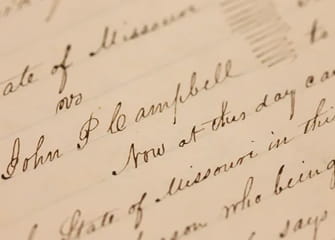
Fig. 2
Documents from the Greene County Archive that tell the story of Springfield's founder inciting a riot that led to the beating of Milly Sawyers in 1836.
Milly’s 1834 freedom suit was one of the first cases ever heard in the newly created Greene County circuit court. It is likely the case was argued in the home of John Polk Campbell, the person most often credited with the founding of Springfield and an advocate of slavery.
Much of the details of what occurred during the proceedings are now lost to time as they are not included in the court records that were unearthed in 2017, but we do know that in 1835, Milly was victorious. She won her case and was ruled a free woman. Though dozens of freedom suits had been filed in St. Louis in the decades prior, Milly’s was the first to be won in Greene County.
Less than a year later, on April 1st, 1836, Milly, along with Calley Easter, another free woman, was kidnapped from the home of John C. Edwards. A mob led by John P. Campbell, Lucius Rountree, Sydney Ingram and others, dragged Milly from the home and beat her--as detailed in existing court documents. It is not known if Milly survived the assault.
Much of the details of what occurred during the proceedings are now lost to time as they are not included in the court records that were unearthed in 2017, but we do know that in 1835, Milly was victorious. She won her case and was ruled a free woman. Though dozens of freedom suits had been filed in St. Louis in the decades prior, Milly’s was the first to be won in Greene County.
Less than a year later, on April 1st, 1836, Milly, along with Calley Easter, another free woman, was kidnapped from the home of John C. Edwards. A mob led by John P. Campbell, Lucius Rountree, Sydney Ingram and others, dragged Milly from the home and beat her--as detailed in existing court documents. It is not known if Milly survived the assault.
While Milly Sawyers’ final fate remains a mystery, her fight for freedom has cemented her status as a foundational figure, one whose legacy demands recognition as a defining part of our community’s story.
Milly’s contributions have left an indelible mark on the cultural geography of our landscape and clearly justify this significant historical status. Her narrative should serve as a cornerstone of local history and she deserves to be known as a freedom fighter and a founding ancestor.
Milly’s contributions have left an indelible mark on the cultural geography of our landscape and clearly justify this significant historical status. Her narrative should serve as a cornerstone of local history and she deserves to be known as a freedom fighter and a founding ancestor.
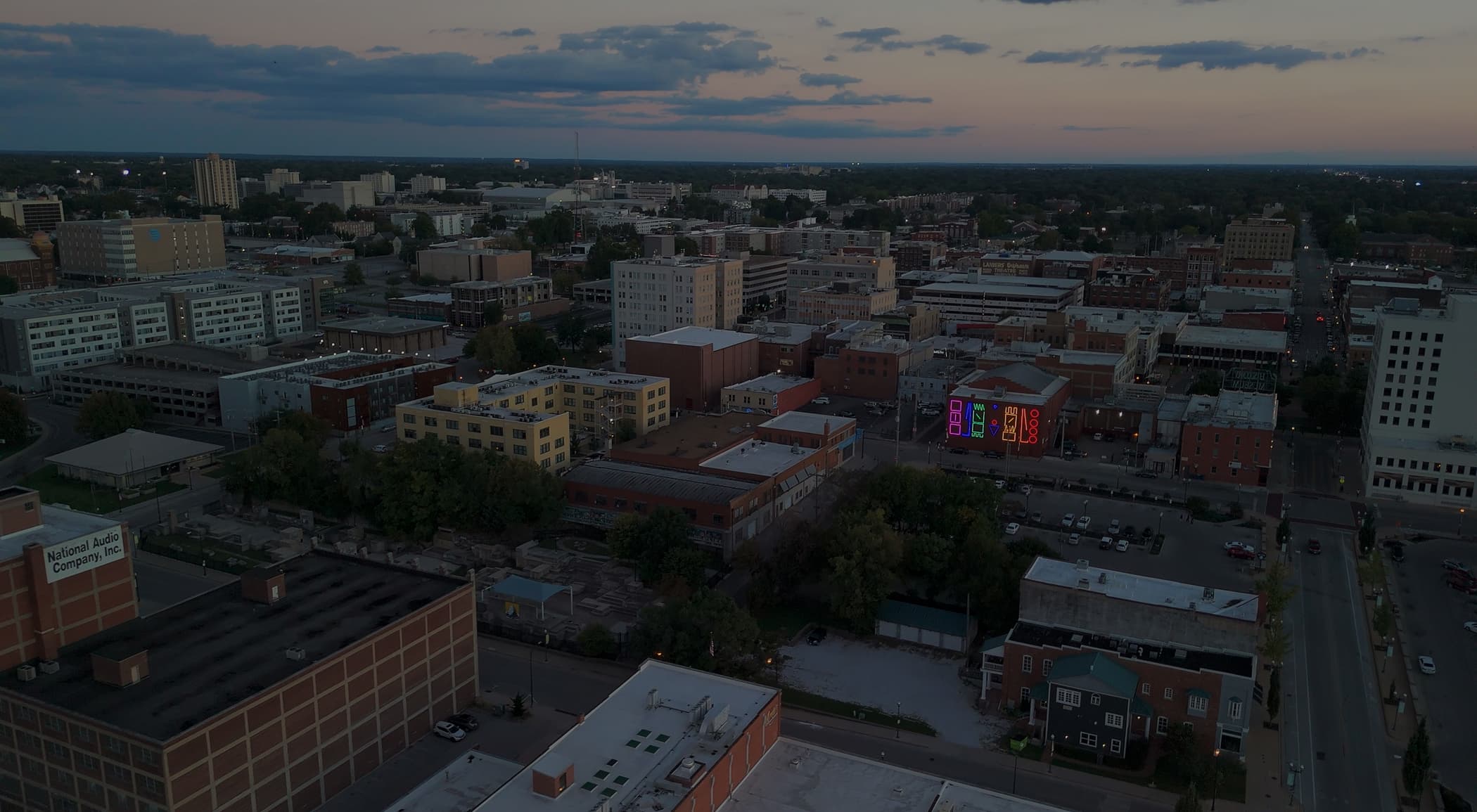
Special Thanks to Connie Yen, Kendra Chappell, Giacomo Bologna
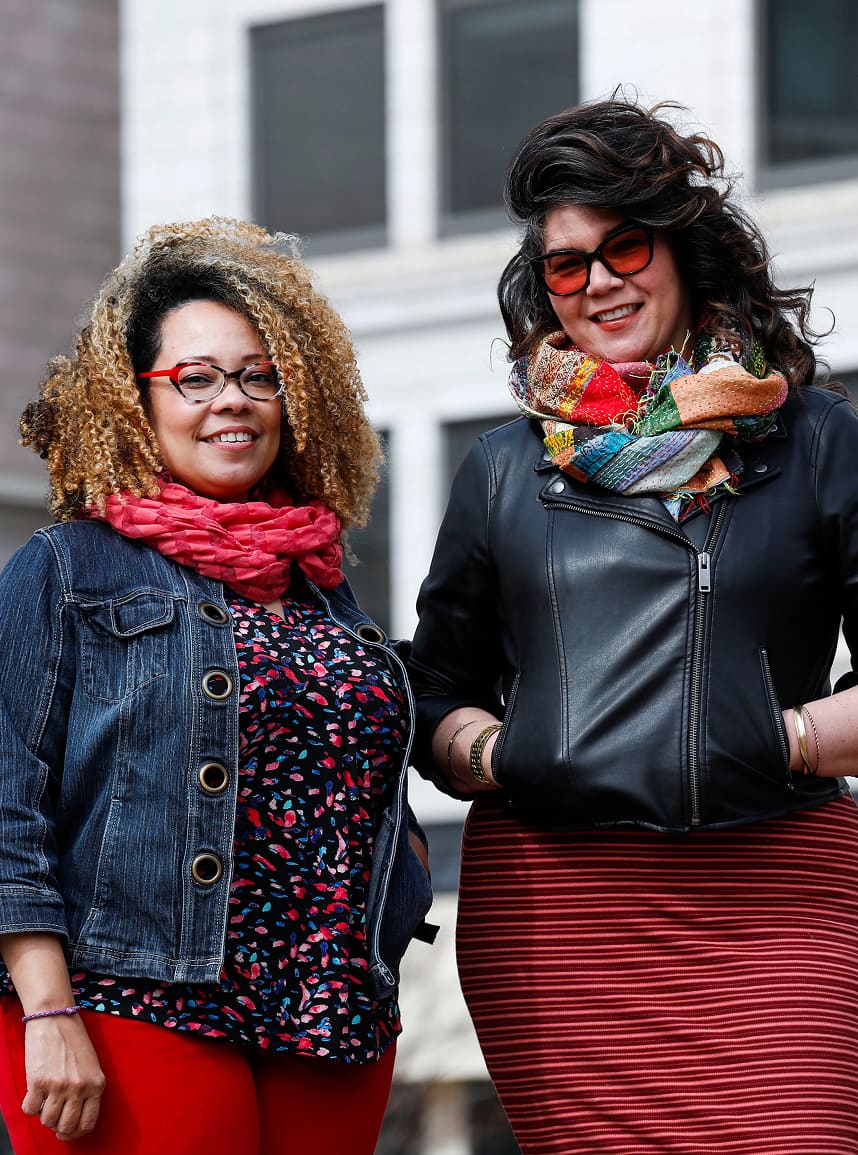
About us
With a focus on cross-cultural engagement, intentional dialogue, advocacy, and culturally relevant experiential education opportunities, The Milly Sawyers Center is a space where community members can engage in activities that forward a mission of creating meaningful and sustainable cultural connections that bring value to all.
Learn more